
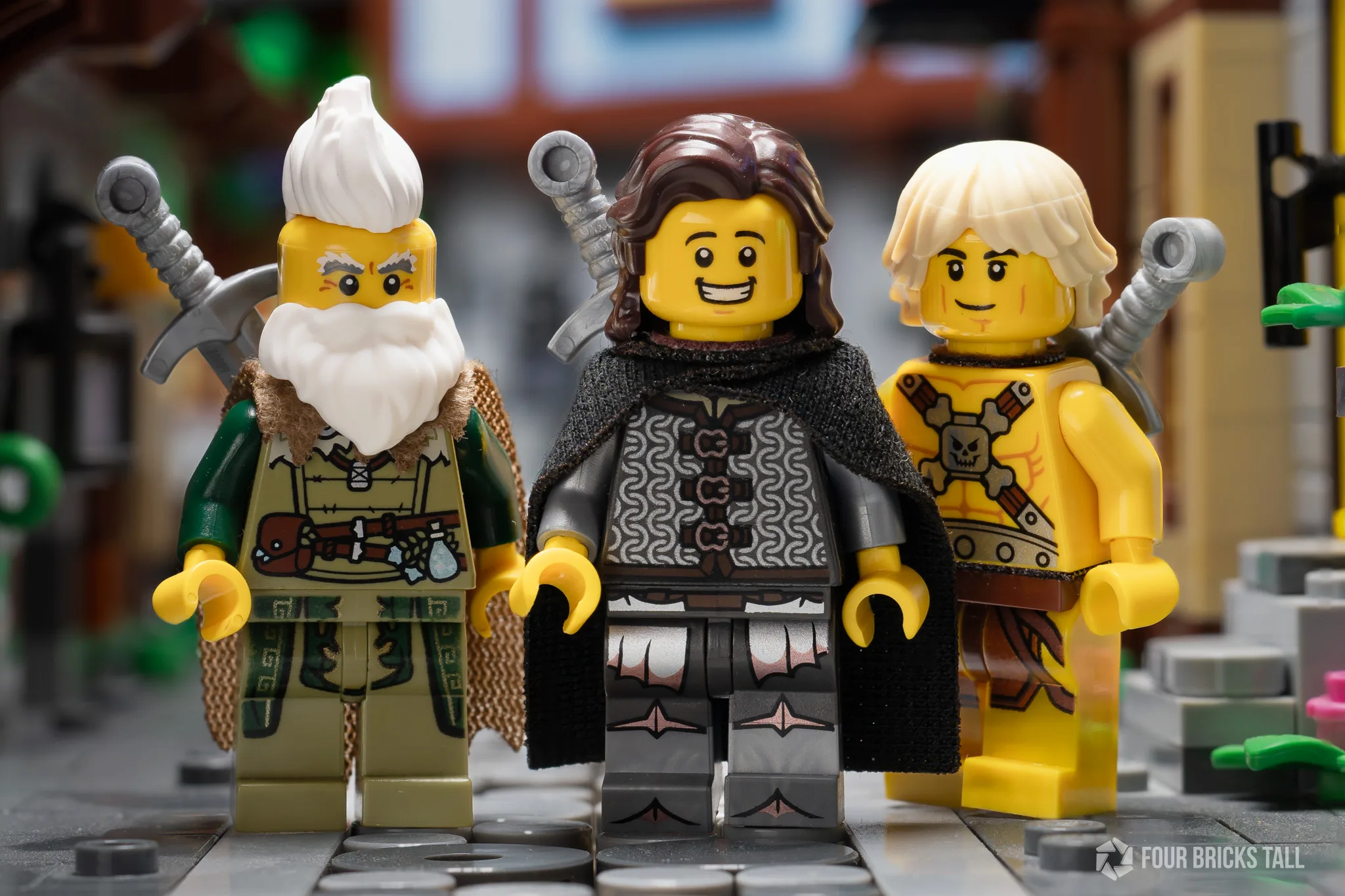
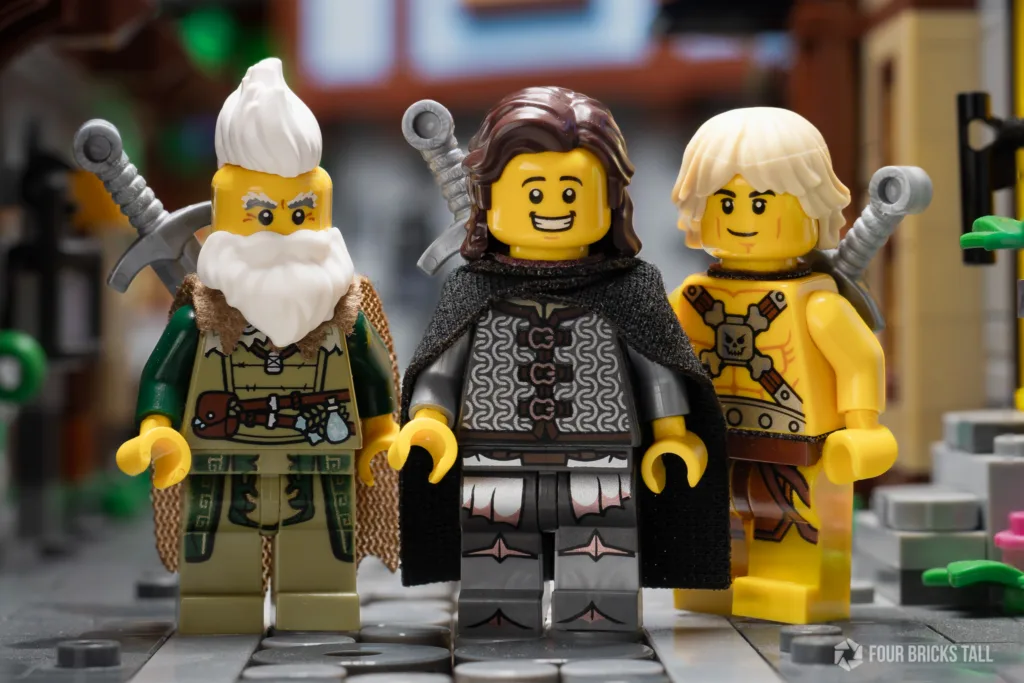
Medieval and fantasy minifigs are some of the most satisfying characters to build. Character creation is a huge part of what I love about RPGs, from Baldur’s Gate 3 to Divinity: Original Sin 2, and I love that LEGO lets me scratch the same itch. Half the fun for my LEGO hobby is inventing a character, and the other half is getting it in front of my lens for a photo adventure.
Right now, there’s also more material to work with than ever before for minifig builders. Between official LEGO themes and the growing ecosystem of custom parts, you can build a whole realm of distinct characters without every adventurer or knight looking like he emerged from the same tavern.
Here’s how I approach it.
The Cheapest Ways to Get Medieval Minifigures
There’s a natural progression to sourcing medieval minifigures, and it usually goes from easiest to hardest like this:
- Buying sets with minifigures
- Buying Collectible Minifigures
- Hunting through Build-a-Minifigure in LEGO retail stores
- Buying loose parts online through LEGO’s Pick a Brick and BrickLink
The deeper you go, the cheaper and more customizable things become. They also become significantly more time-consuming.
Buying Sets with Minifigures
The obvious starting point is official LEGO sets. While medieval themes aren’t nearly as common as they were in the ‘80s and ‘90s, LEGO has still thrown fantasy fans a few very solid bones over the last several years.
We don’t have a dedicated Castle theme anymore, but LEGO has produced some excellent medieval sets through the LEGO Icons and LEGO Ideas lines, namely Lion Knights’ Castle, Viking Village, Medieval Town Square, and Dungeons & Dragons: Red Dragon’s Tale. All four are mineable for knights, villagers, guards, adventurers, and background characters.
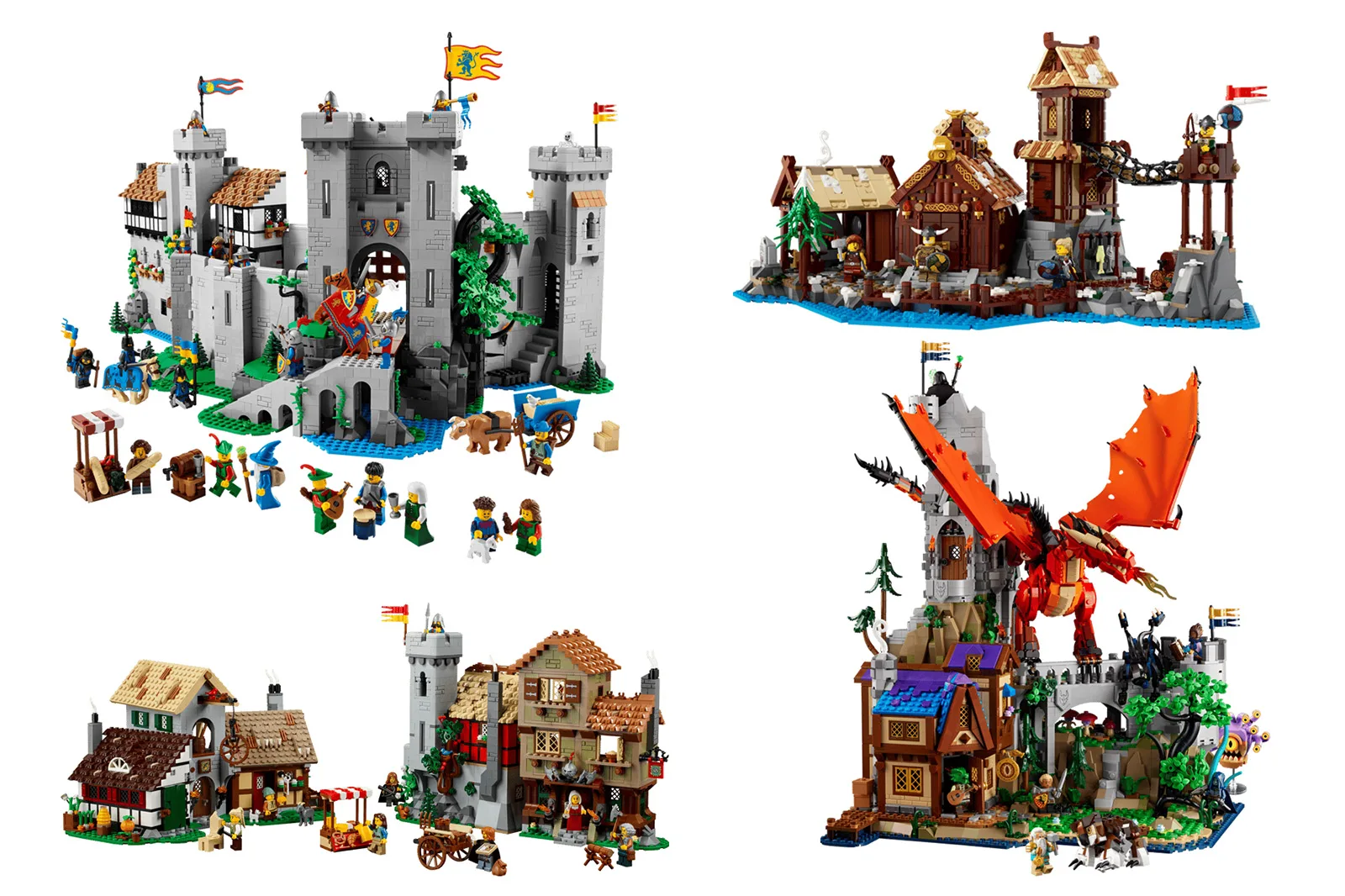
If you’re newer to medieval LEGO or simply don’t own many bricks yet, buying full sets can make a lot of sense.
A good medieval set gives you characters and an immediate world for them to exist in. Castles, shops, houses, carts, trees, weapons racks, animals, market stalls, and random barrels build the environment that make fantasy storytelling and photography feel alive.
Even if you eventually start building your own MOCs, the parts remain useful long-term. A good stock of light and dark bluish gray bricks and plates will be useful in any medieval build.
If you need both minifigures and scenery, sets are often the best value upfront. That said, not every set is equally useful.
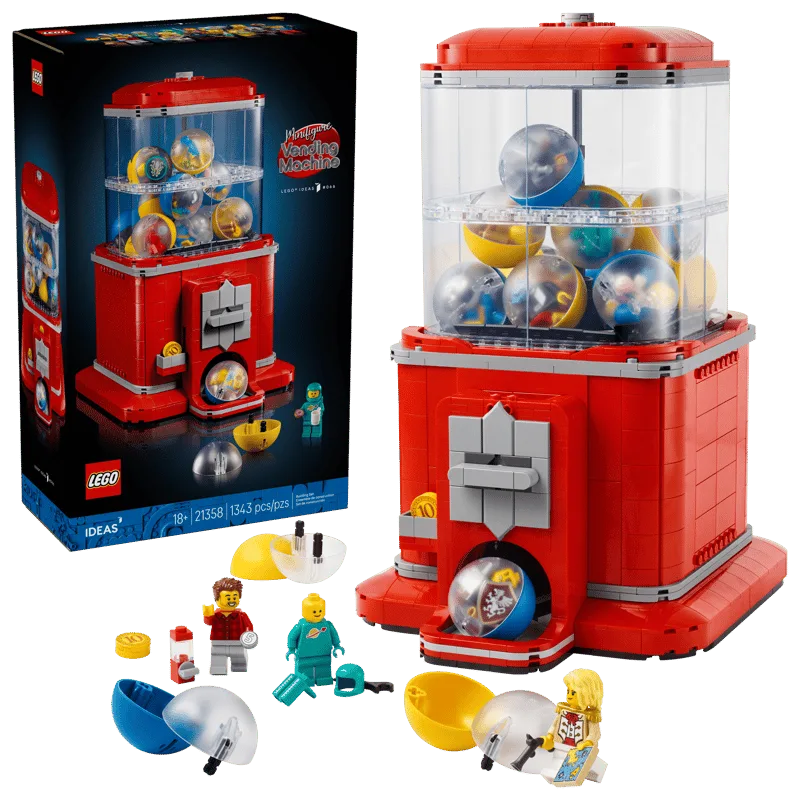
The Minifigure Vending Machine set is a good example. It included excellent medieval minifigures like pairs of Griffin Knights and Kraken Warriors, but most of the actual build is red and transparent bricks that probably aren’t helping your medieval village unless your blacksmith recently discovered arcade technology.
Beyond the explicitly medieval themes, there are a lot of useful parts hiding elsewhere:
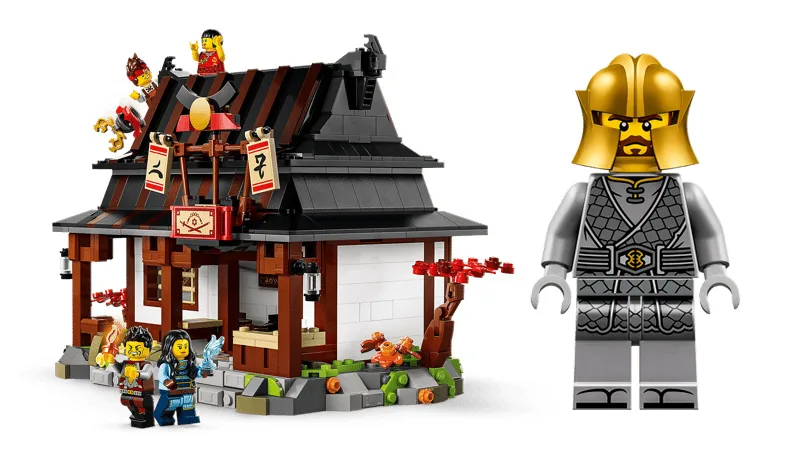
- Ninjago periodically drifts into fantasy territory, especially in the Master of the Mountain, Dragon’s Rising, and Legacy subthemes or seasons. My own sigfig uses Hero Nya’s torso and legs from Master of the Mountain.
- Star Wars are full of robes, belts, layered tunics, and feudal Japan-inspired silhouettes.
- DreamZzz introduced some useful fantasy parts through characters like Izzie and Zoey.
- Harry Potter is basically a good supply of robes, cloaks, hats, and formal torsos.
- Legends of Chima, despite being retired, still has excellent armor and mystical-looking parts floating around the secondary market.
Buying Collectible Minifigures
Collectible Minifigures are usually the sweet spot between convenience, quality, and cost. For a relatively low price, you get a complete minifigure with detailed printing, accessories, and often unique molds.
LEGO has turned the CMF line into one of the best sources of fantasy archetypes in the hobby, releasing knights, rogues, falconers, barbarians, elves, and bards into the mix. You can army-build or assemble an adventuring party quickly this way.
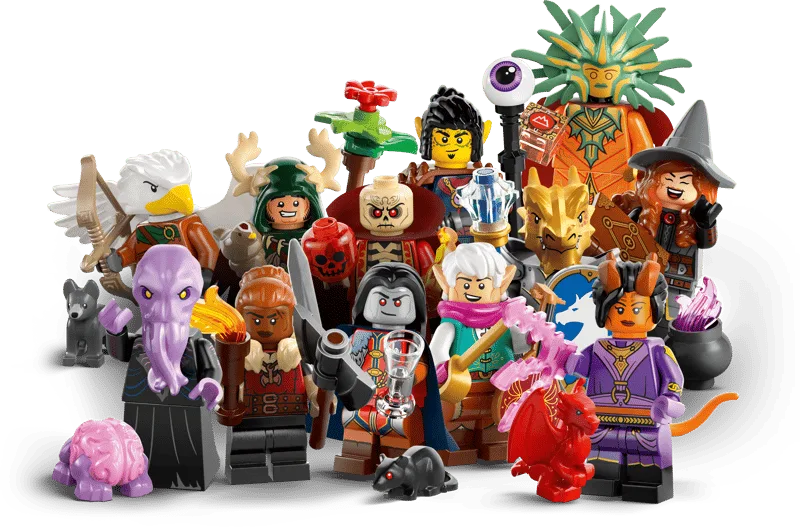
The Dungeons & Dragons CMF series was especially strong for fantasy builders. It included a Tiefling Sorcerer, Gith Warlock, Dragonborn Paladin, and several adventurer archetypes that drop directly into custom fantasy settings.
Brad’s Archives actually put together a full breakdown of every medieval, castle, and fantasy CMF figure released up through September 2024, which is an incredibly useful reference if you’re trying to track parts down.
Since then, LEGO has added figures like the Wolfpack Beastmaster, Pirate Quartermaster, and Unicorn Elf through Series 27 and 29.
The downside is availability. Once a CMF series hits the shelves, they can be raided immediately for the medieval minifigs. QR scanning apps make it easier to find the exact minifig you need–a good thing, since we’re all price- and waste-conscious, but also a bad thing since some people aren’t able to get any at all if it’s an army-building character they’re after. Scalpers are another problem. Then when a series retires a few months later, prices can rise very quickly on the secondary market.
Getting Minifigures from BAM
Another source worth paying attention to is the Build-a-Minifigure station in LEGO Stores.
BAM is easy to overlook because most of the time it’s filled with modern-day (read: CITY) parts and inexplicably cheerful characters in chicken outfits. But every so often, LEGO puts fantastic fantasy and castle parts into the rotation.
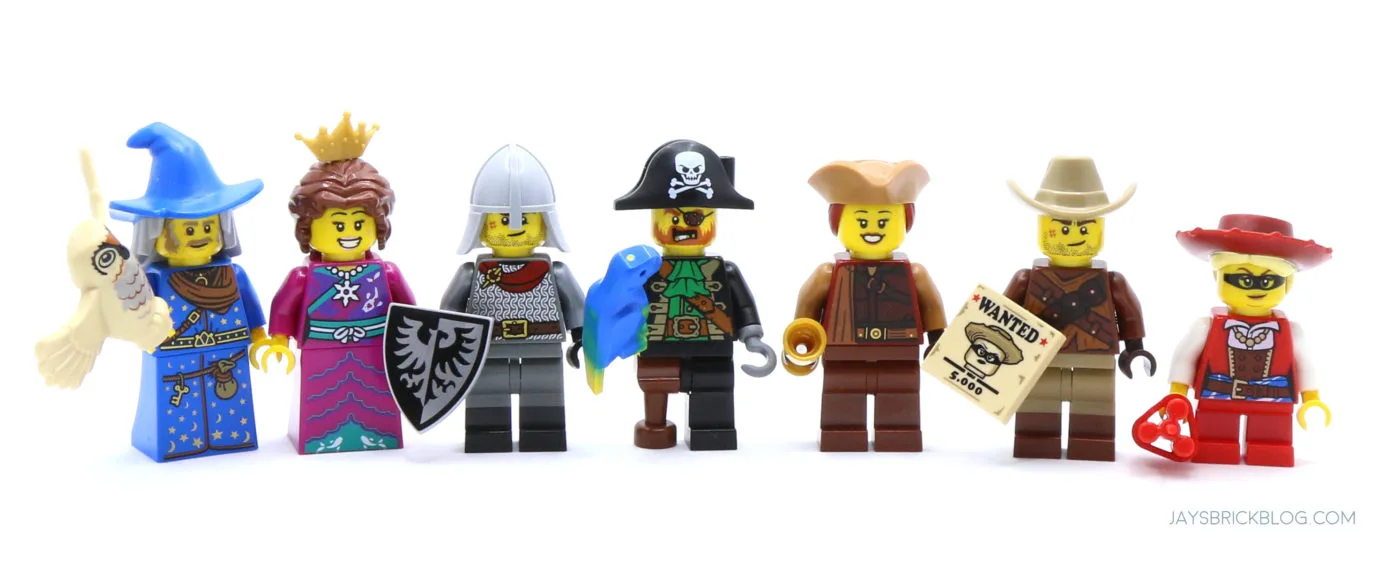
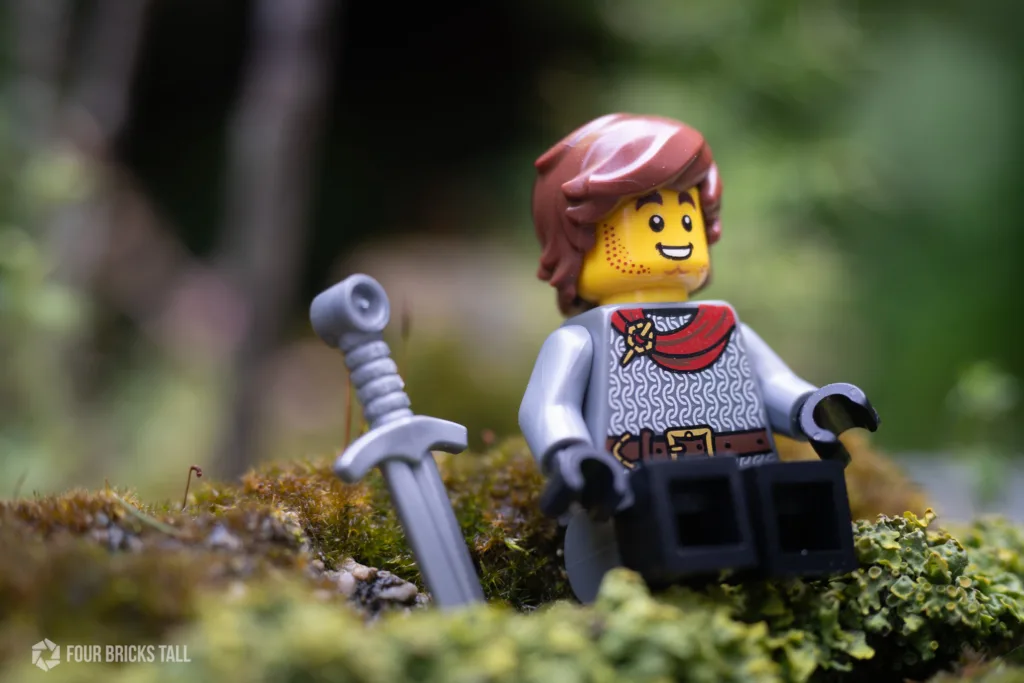
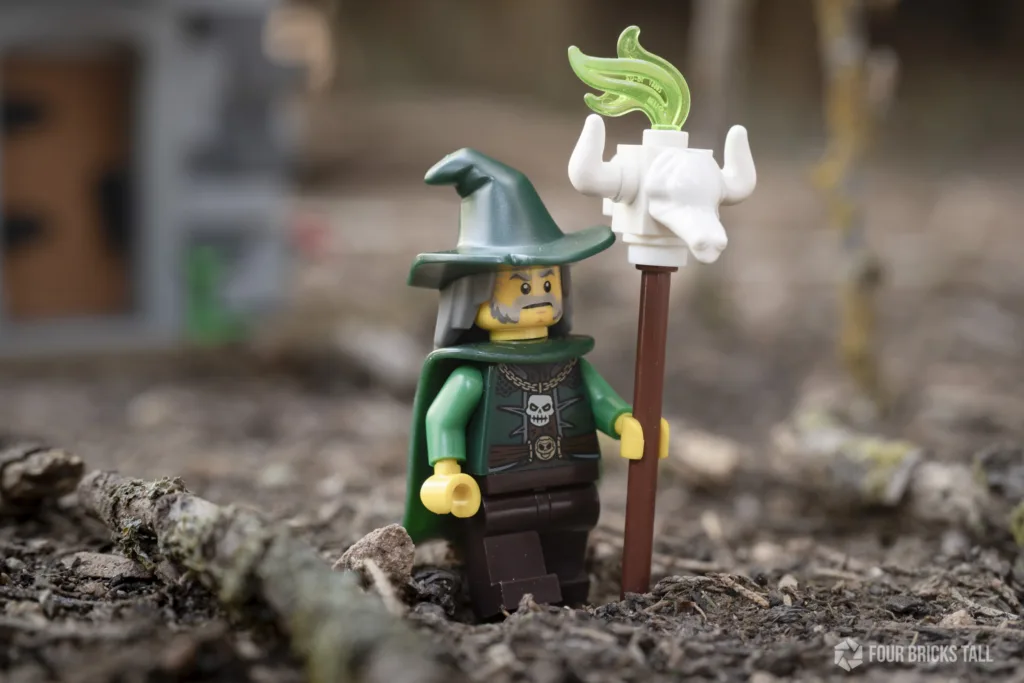
The May/June 2022 BAM wave was especially good for medieval fans, with a Falcon knight, a wizard, and a princess. The Falcon knight immediately became an army-builder favorite. More recently, LEGO stores have carried Vikings, Lion Knights, jesters, and fantasy-adjacent accessories.
Wadapan has a running catalog of BAM parts, @twogayafols publishes official LEGO PR on upcoming BAM releases, @lego_bam usually has close-ups of the minifigs in hand within the first week of release, and Jay’s Brick Blog reviews them.
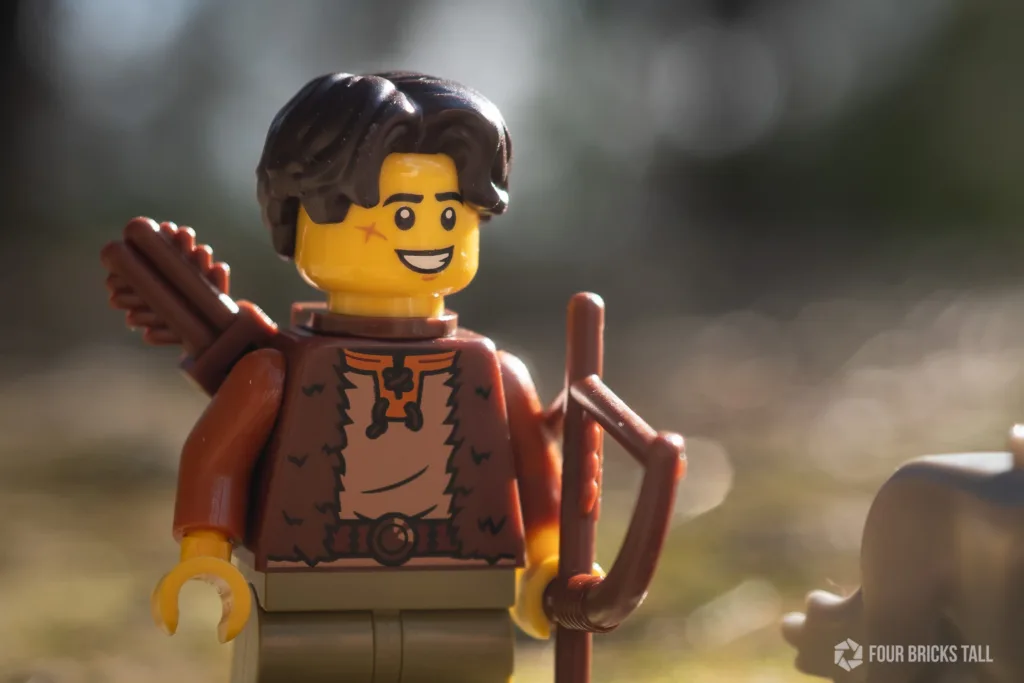
The biggest advantage of BAM is price. For $9.99/€9,99, you get 3 minifigs, often with exclusive prints or recolors. Sometimes, you’ll even find the odd minifigure part from current sets!
The downsides are limited access to a LEGO store and inconsistent stock. Inventory varies heavily between stores and regions, and the good parts disappear fast once army builders notice them.
Buying Loose Parts from Pick a Brick and BrickLink
This is where things become both the cheapest and the most dangerous for your free time.
Once you know exactly what you want, buying loose parts is usually far more economical than buying entire sets. Instead of paying for an entire castle just to get a few minifigures, you can simply buy the individual parts directly.
Pick a Brick / Bricks & Pieces
LEGO’s own loose-parts platform is indispensable for minifig builders. Pick a Brick is especially useful for building the backbone of factions: matching guards, villagers, soldiers, or civilians.
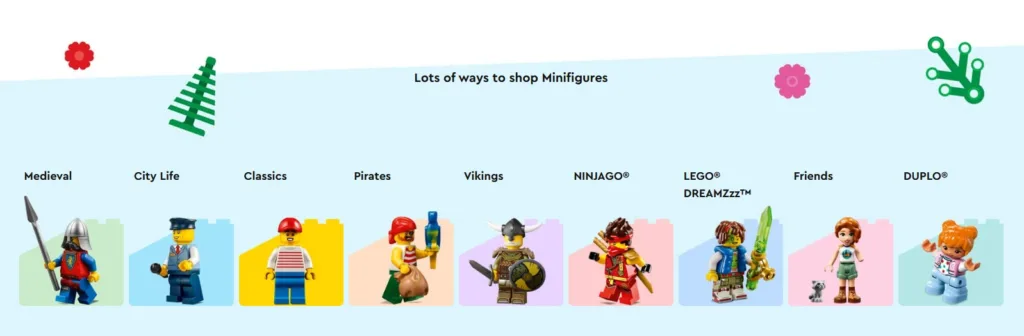
You can order specific torsos, legs, heads, helmets, and accessories individually, often for reasonable prices. LEGO has even filtered parts for minifigs, which makes army-building significantly easier without paying full retail for sets you don’t actually want.
The downside is that Pick a Brick doesn’t stock licensed IP parts, so you generally won’t find most D&D, Harry Potter, or Lord of the Rings pieces there. Inventory also rotates constantly. Once a set retires, the parts eventually disappear with it.
BrickLink
That’s where BrickLink comes in.
BrickLink is where you go when you need retired parts, licensed pieces, obscure accessories, or a very specific torso that appeared once in 2011 and now costs the same as a decent lunch.
For medieval builders, it eventually becomes unavoidable.
If you’re strategic, it can actually be one of the cheapest ways to build highly customized characters. The problem is that good BrickLink buying requires planning.
Not every store carries every part you need, so shipping costs can spiral quickly if your order gets spread across multiple sellers. One store has the torso, another has the legs, a third has the hood, and suddenly your “cheap” custom minifigure has international logistics infrastructure.
You have to consolidate intelligently and think about shipping before buying individual parts impulsively.
It’s also worth remembering that BrickLink is still a marketplace. Most sellers are perfectly reliable, but not every shop owner is equally trustworthy. Before placing larger orders, especially for expensive or rare parts, always check seller feedback and reputation first.
Still, once you get comfortable with it, BrickLink becomes one of the best tools available for medieval minifigure building. At some point every fantasy LEGO fan ends up going down a BrickLink rabbit hole for that one part that will complete their minifig or build.
Goldfyre has put together a how-to build a LEGO medieval army video on using both platforms, which is particularly useful if you’re a Castle fan, but still a good guide to using BrickLink if you are a medieval fantasy fan.
Mixing and Matching Parts
This is where the hobby really becomes addictive and fun.
LEGO’s parts library is enormous, but pieces from different themes and eras don’t often combine cleanly. Especially true if details from the torso run down to the legs.
Instead of unifying by theme, I usually unify through color. I look at the dominant and accent colors of a torso first, then match legs that have those as well.
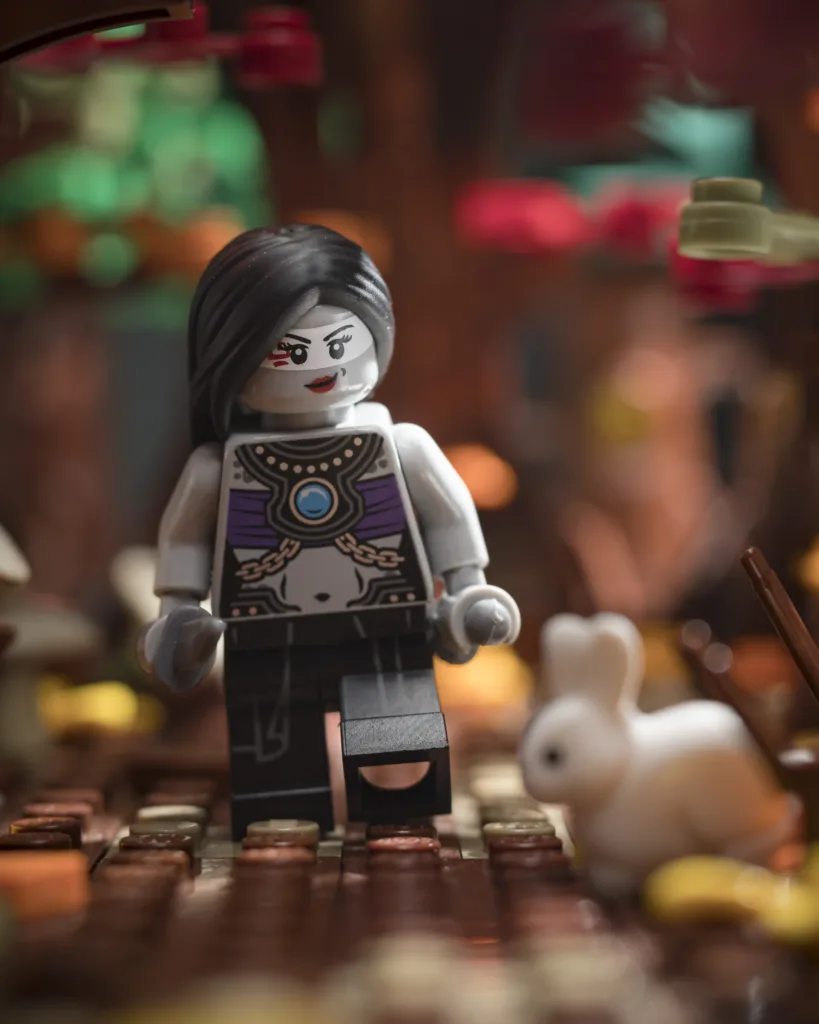
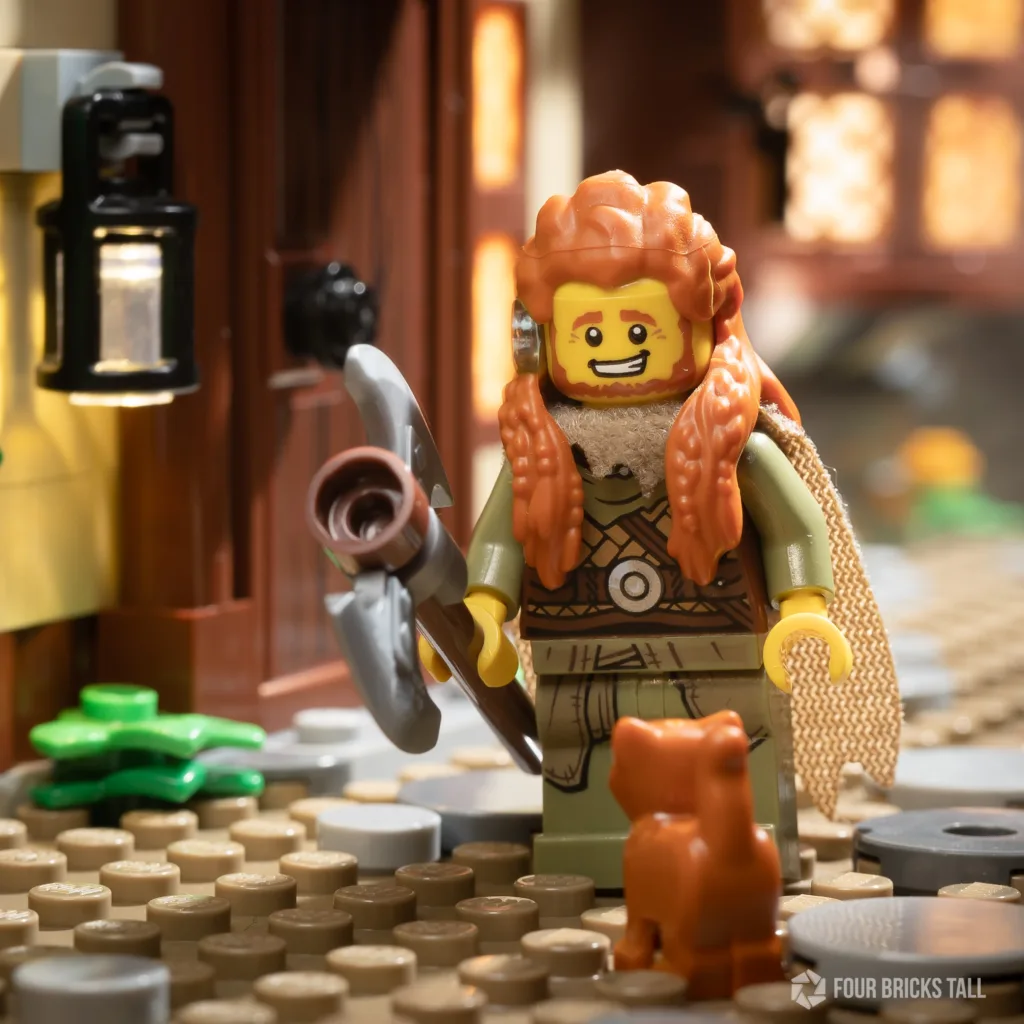
I’m careful about using heavily recognizable IP parts that are already in the medieval genre. The Lord of the Rings minifigs are some of the best fantasy pieces LEGO has ever made, but they’re also extremely recognizable. Using Aragorn’s torso makes your “original ranger character” immediately look like he’s on his way to Rivendell.
That’s why some themes remix better than others. Star Wars parts work well in medieval fantasy because once you remove them from a sci-fi setting, they mostly are layered robes, belts, and tunics. You stop seeing Jedi and start seeing wandering monks or tipsy vintners.
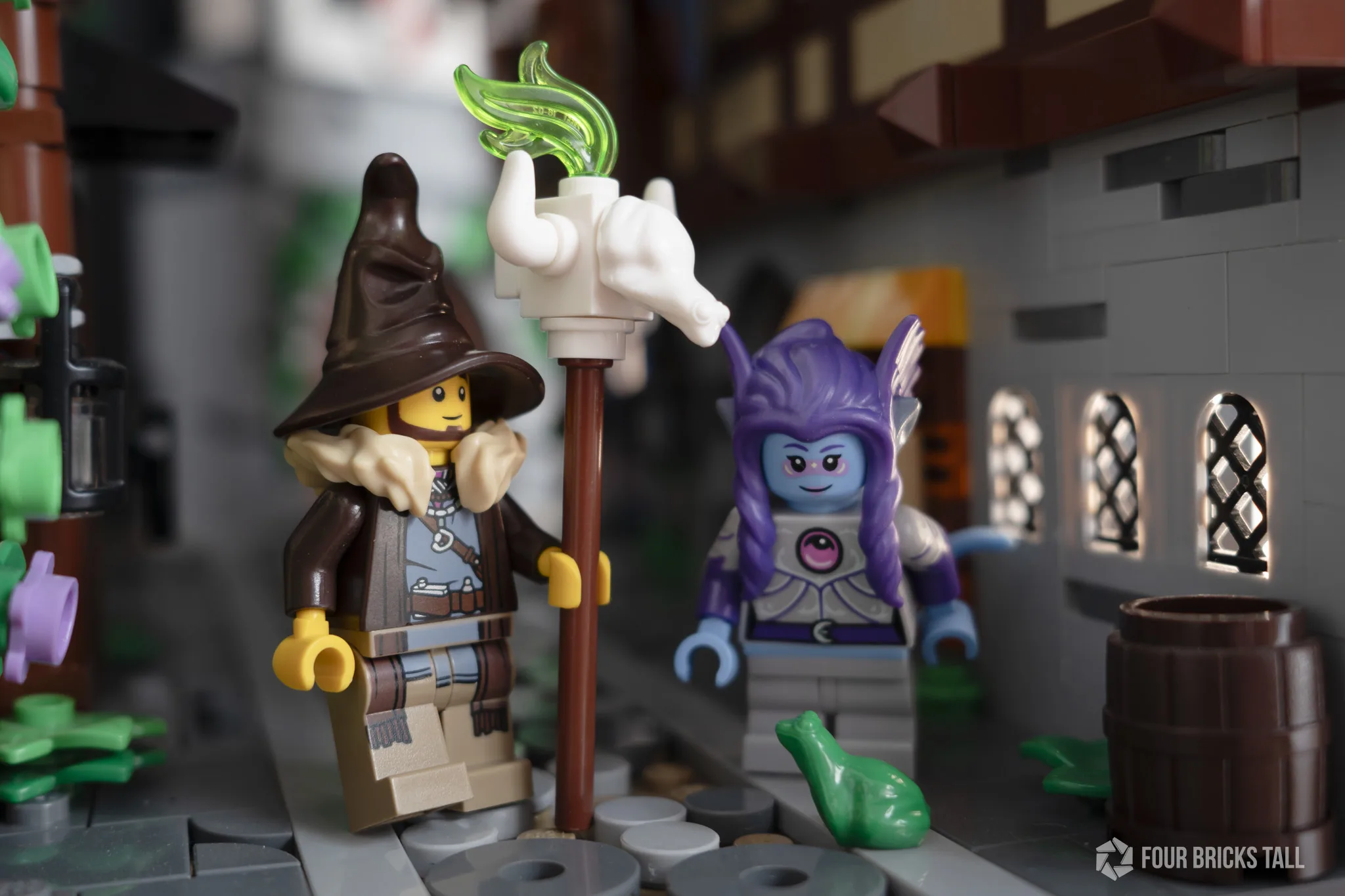
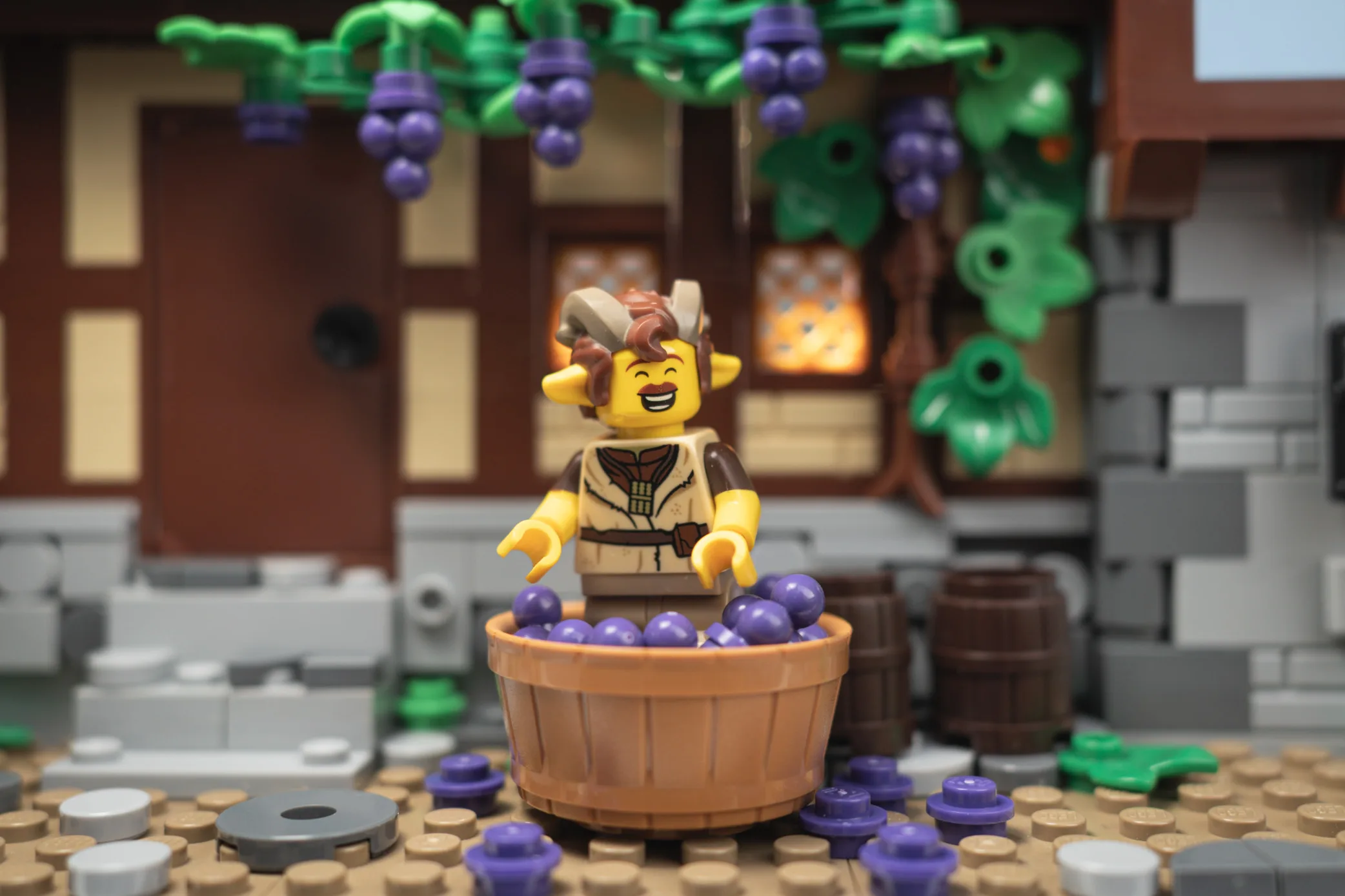
For magical characters, I tend to keep the original minifigure’s torso and legs together and work from the neck up instead. When sourcing, I look for torsos with an amulet. It’s such an instantly readable signal for a magical character, and Chima, DreamZzz, and Ninjago have great options. A head swap, different hair, and the right accessories can completely change who a minifigure is.
The head is where I push hardest here: unusual markings, glowing eyes, a third eye, or something unsettling. I’ll add a robe with a high collar or a hooded cloak to add a touch of mystery. There’s something about a hood or high collar that does for a magical character what a cape does for a knight: it completes the archetype instantly.
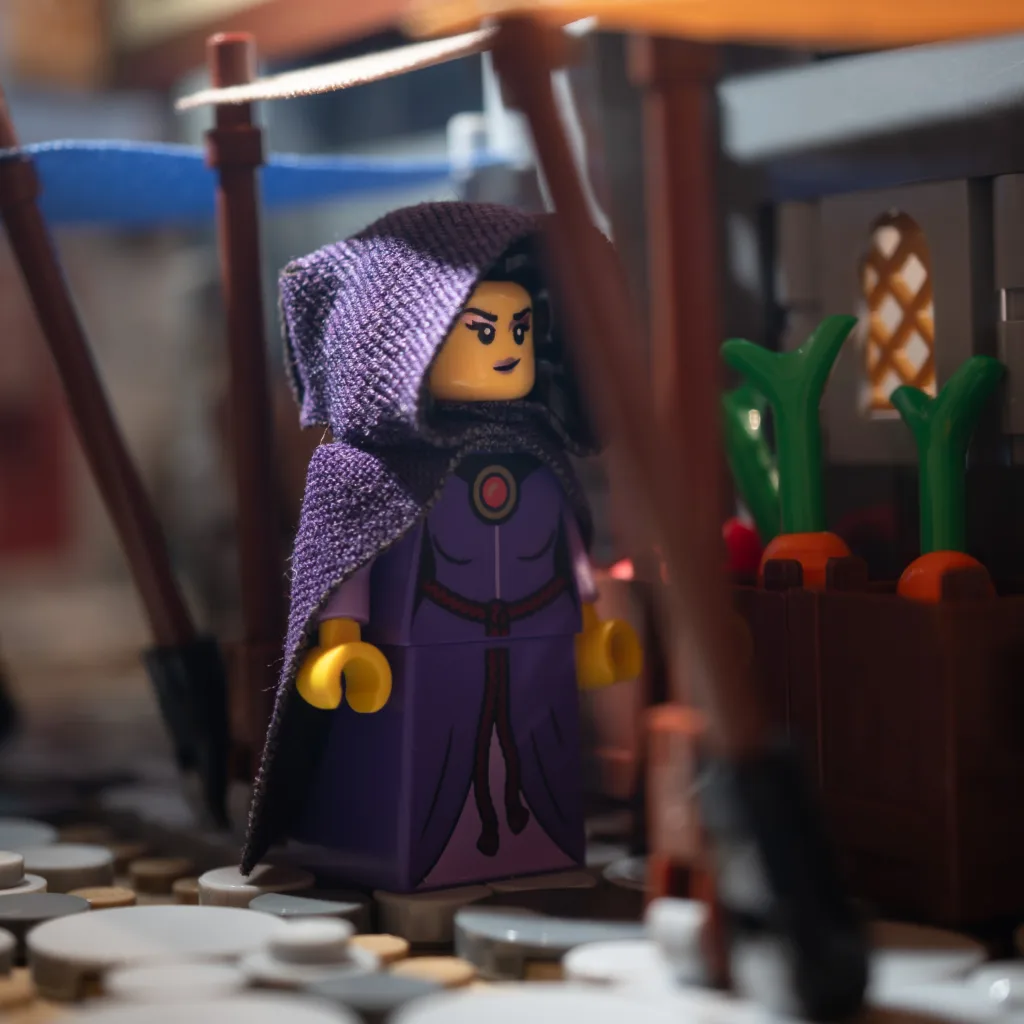
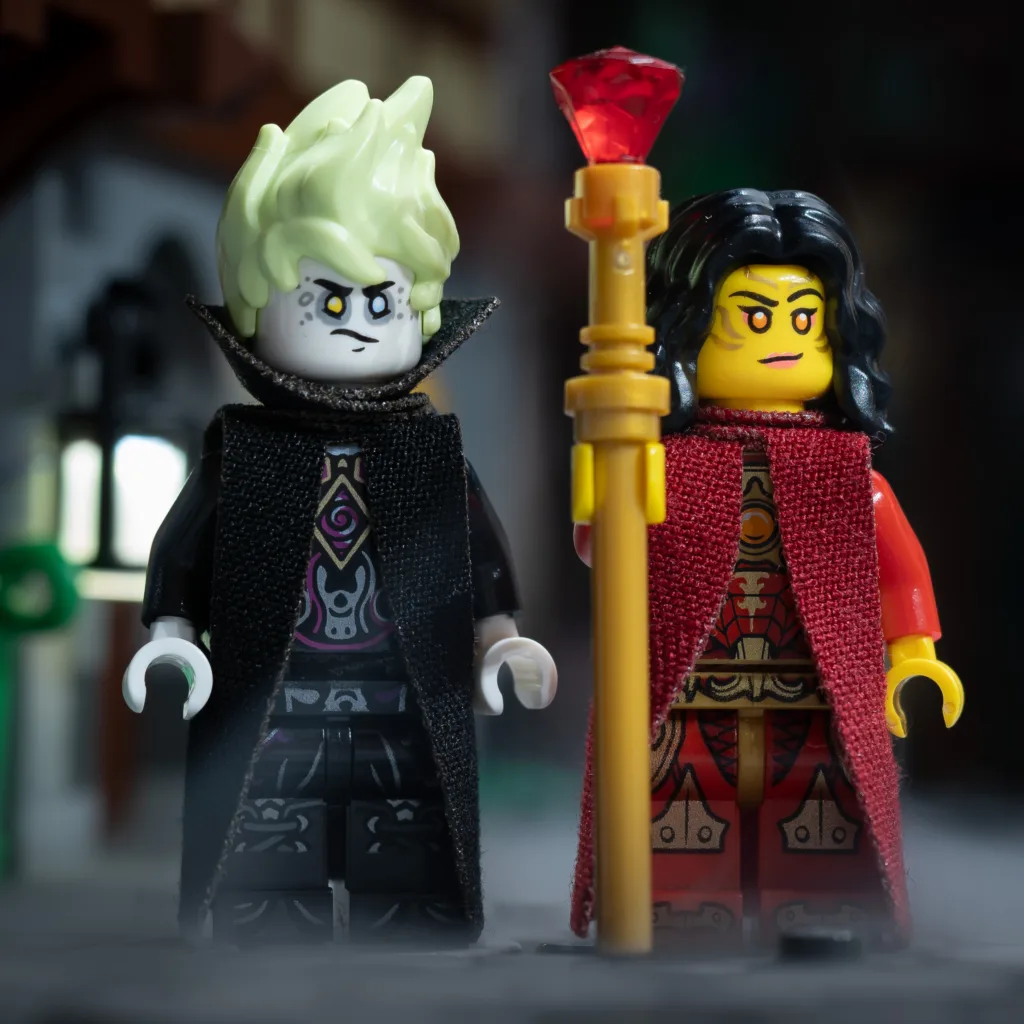
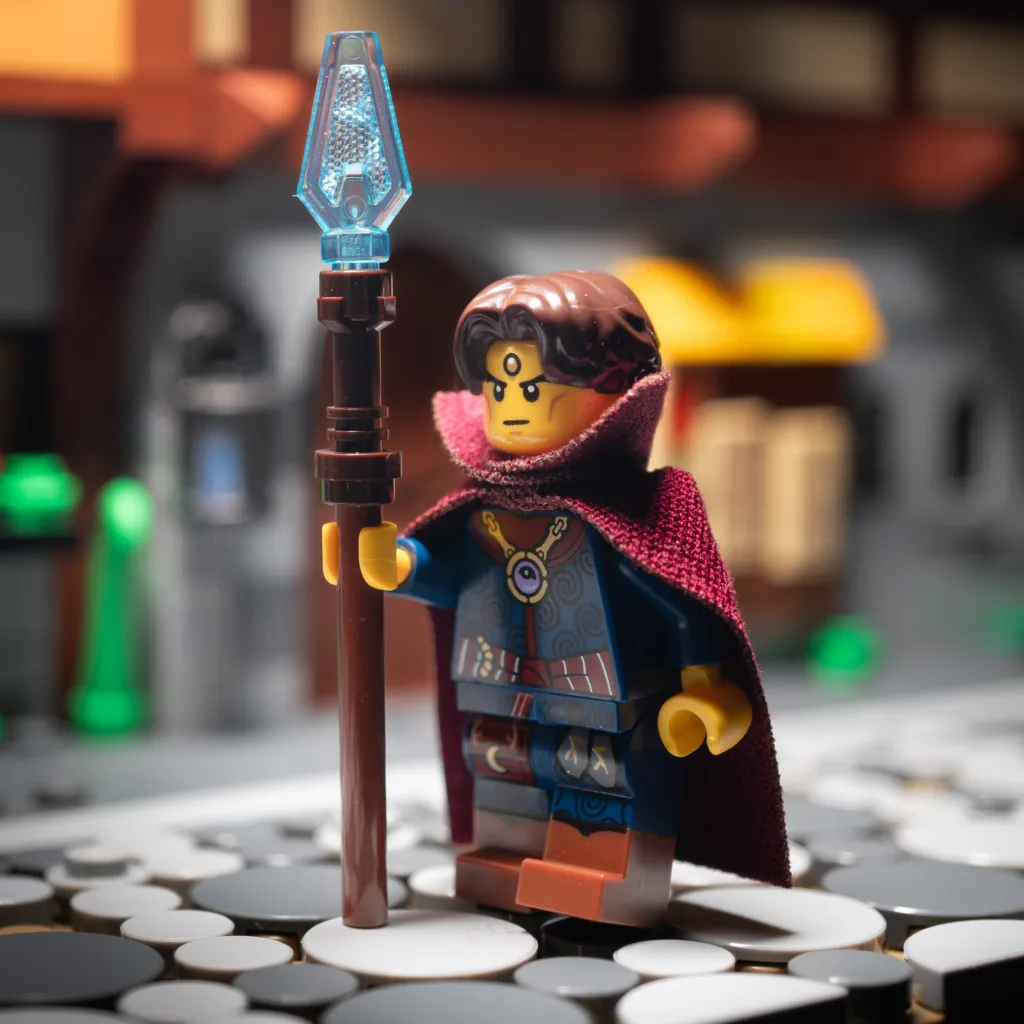
A lot of good fantasy building comes from looking at themes sideways and learning how to disguise transitions so unrelated parts look like they belong together. I part out my minifigs—that is, I don’t display or store them whole—so it’s easier for me to imagine them in another configuration.
Custom Cloth Accessories: Cheap Upgrades, Big Difference
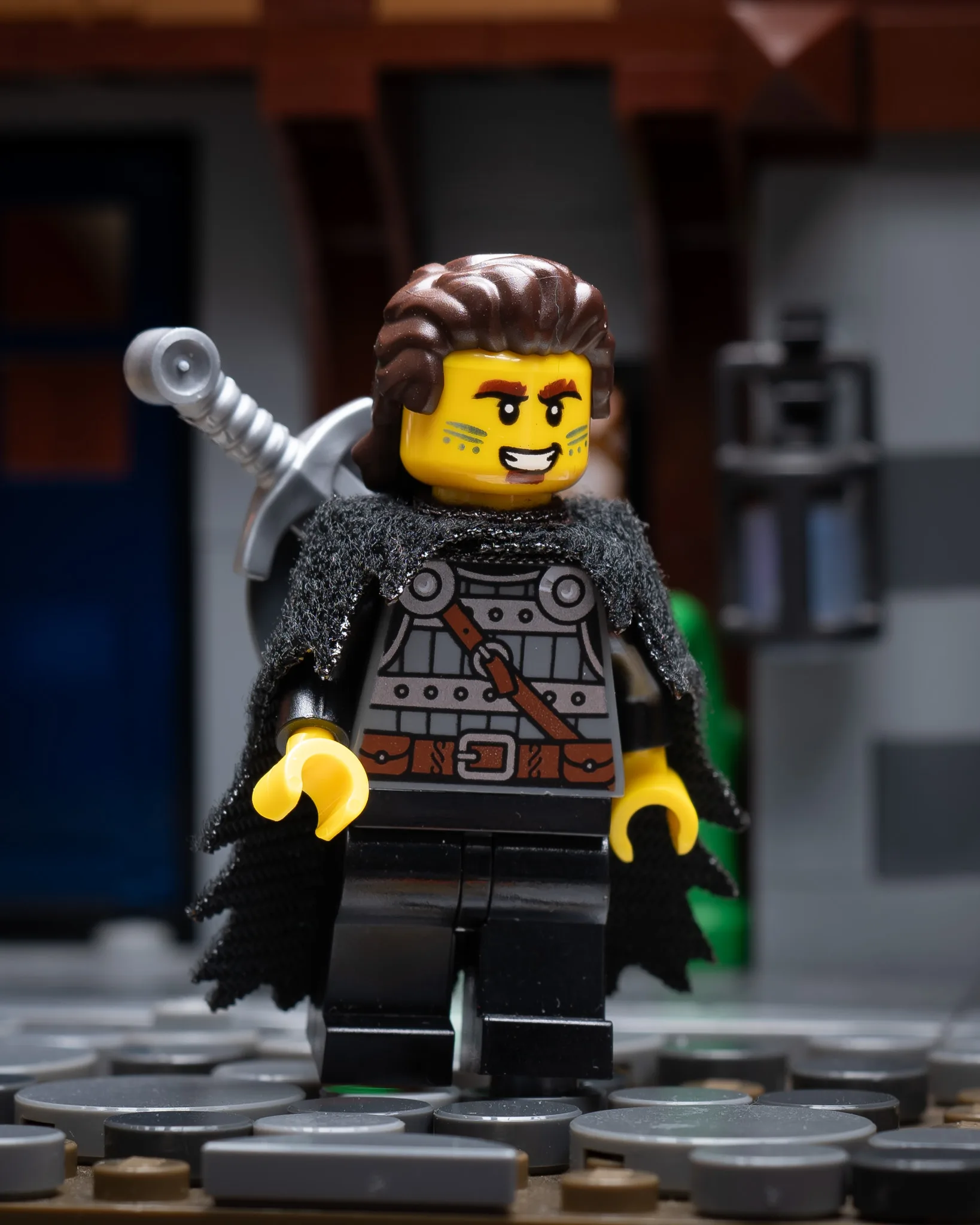
I put a cape on almost every fantasy character I make because it instantly adds texture, silhouette, movement, and presence. Throw a cloak on any minifig and it suddenly looks like they have stature, mystery, or a side quest brewing.
Cloth accessories also serve a practical purpose in custom minifig building. Belts, tabards, and skirts help disguise those awkward transitions between torsos and legs, making a mixed-and-matched minifig feel far more cohesive. The frustration of not finding exactly what I needed for my own builds is what eventually led me to start making these myself through Minifig Realms last year.
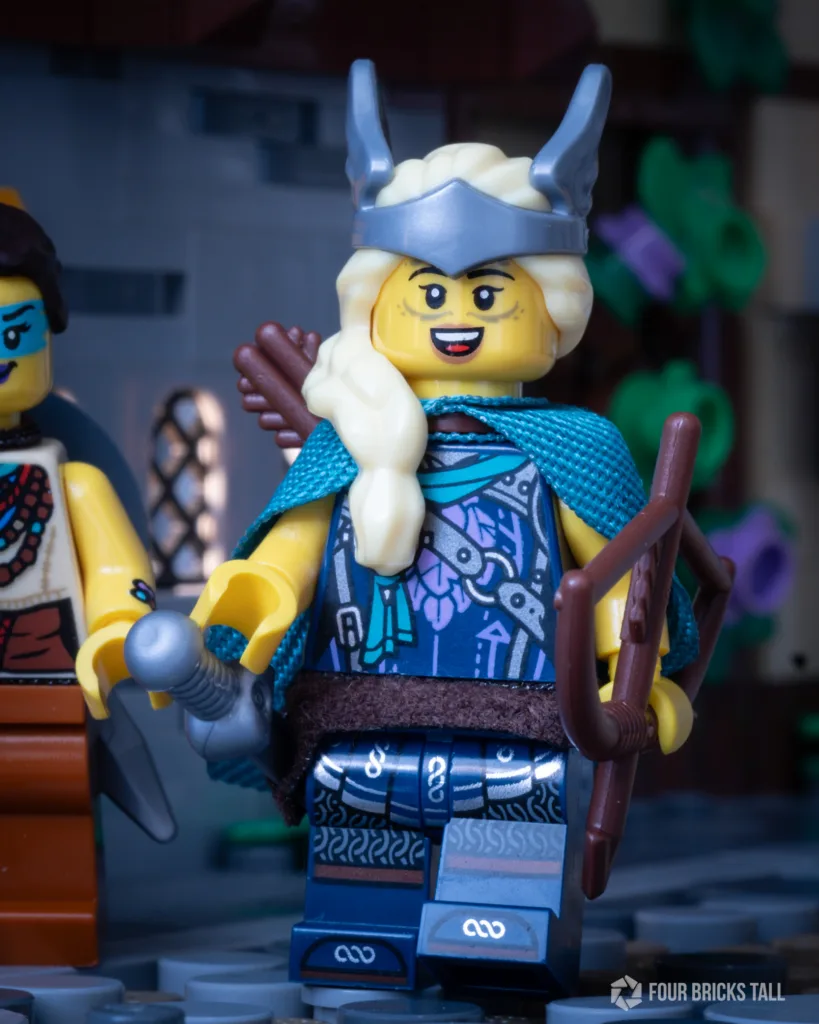
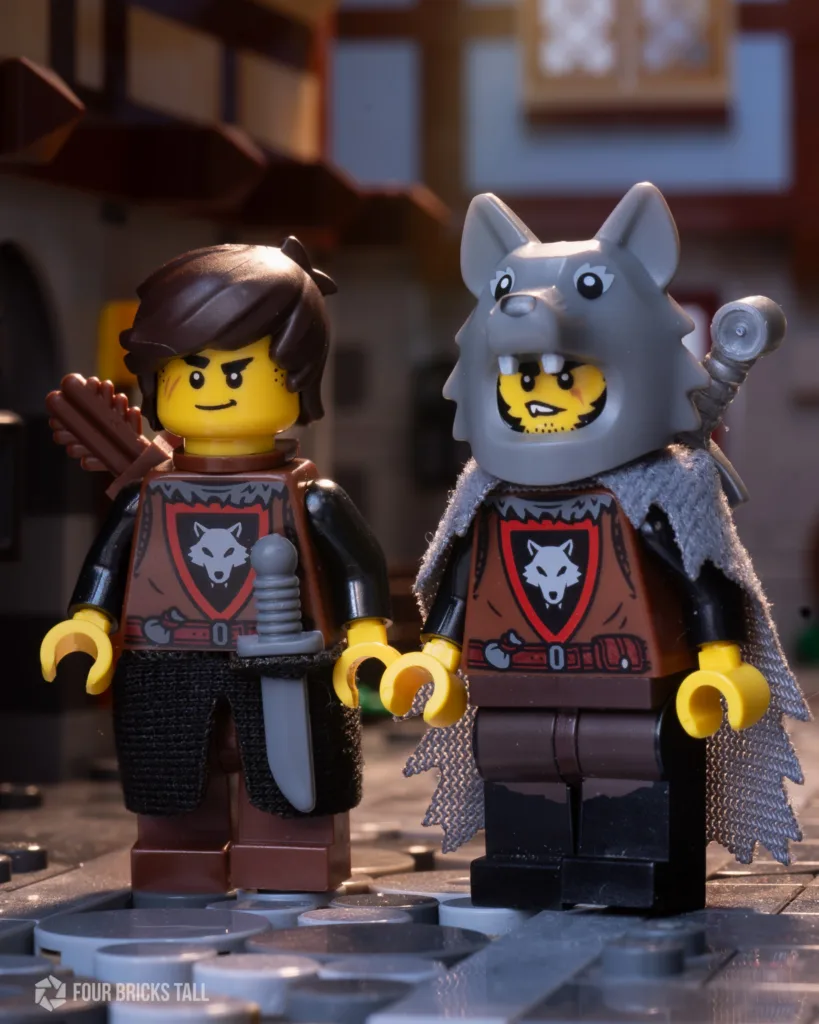
The ultimate medieval upgrade is strapping a sword to their back. One of the defining visual details of fantasy characters is that they somehow sheathe swords across their backs, no matter how historically questionable that may be.
For years, this was awkward to pull off with minifigures. You could use the scabbard part from Pirates of the Caribbean and The Lone Ranger sets (retired back in 2013) or improvise by wedging a sword through the strap of a messenger pouch. Both approaches restricted arm movement and, more importantly, conflicted with capes. Instant dealbreaker for me.
So I ended up designing my own sheaths and scabbards so I could have my capes and sheathe them too. Heh.
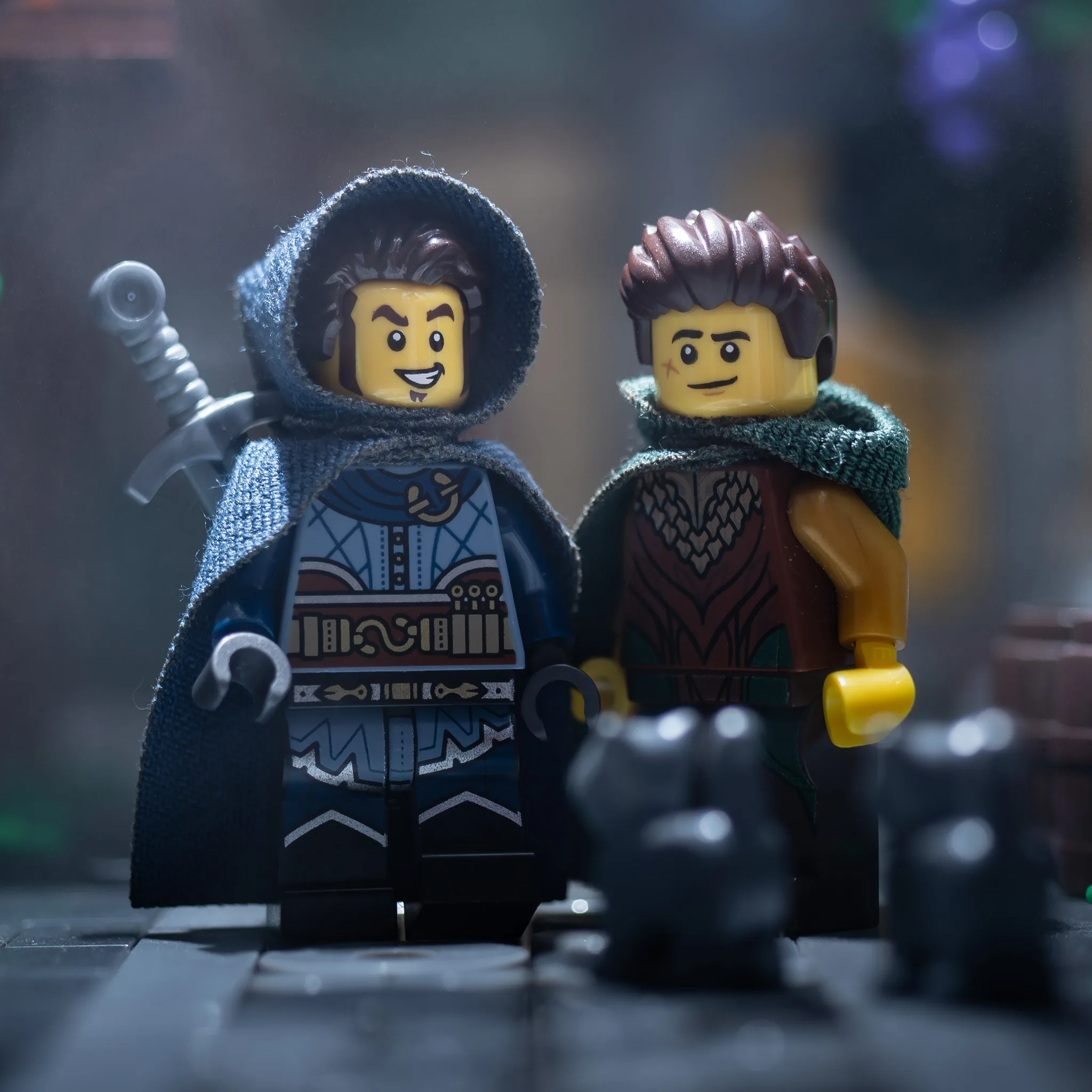
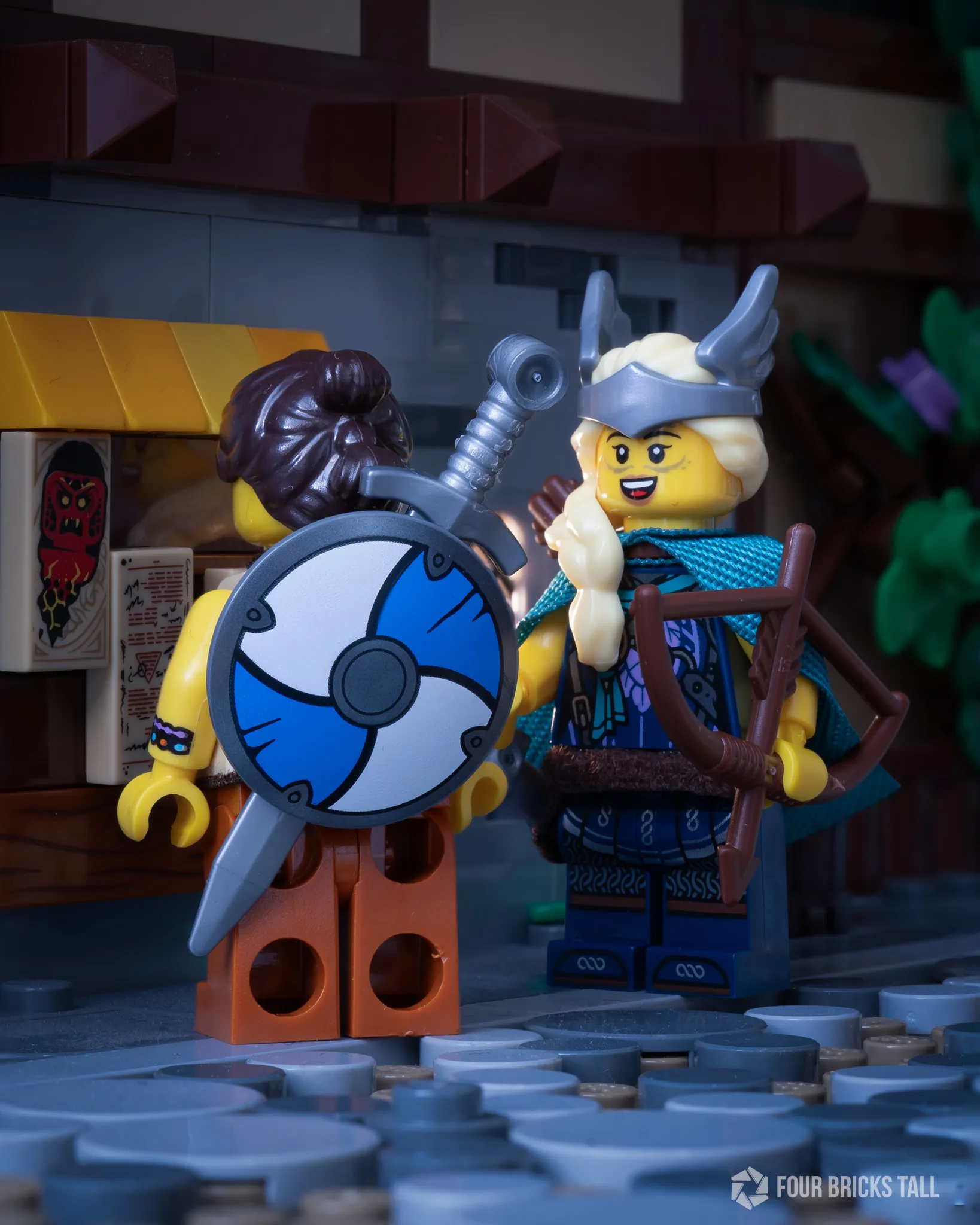
A stowed weapon massively improves storytelling too. You don’t really want your minifigs wandering through a marketplace waving swords around unless they’re trying to get escorted out by the guards. Divinity: Original Sin 2 understood this: NPC merchants would actively tell you to stow your weapons or they wouldn’t sell to you.
A sheathed weapon makes a character feel like they belong in a living world instead of posing for a catalog shot. Weirdly, hiding the weapon usually creates more storytelling possibilities than showing it.
Custom Printed Parts: Best Used Selectively
For standout characters like protagonists or BBEGs, third-party custom printed parts are worth considering. I’ve reviewed Ktown Bricks, CultBricks, and Yellow Brick Head recently, and all three produce quality work for medieval and fantasy builders.
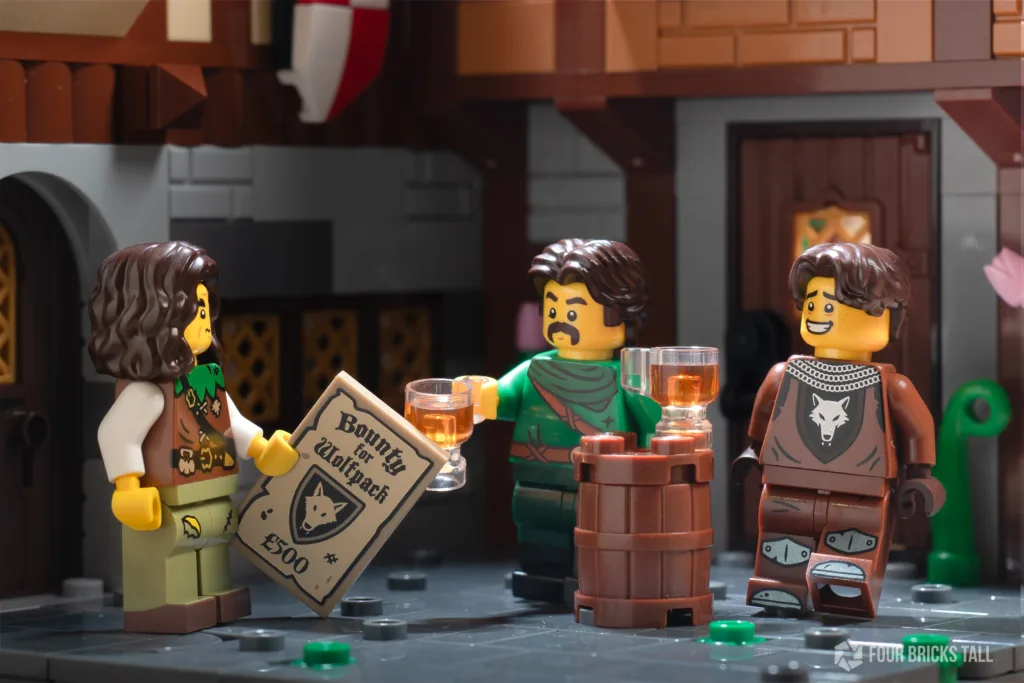
Custom printed torsos, legs, shields, and accessories can push a figure into territory LEGO simply doesn’t cover. Some shops also produce parts inspired by franchises like The Lord of the Rings or Game of Thrones without needing to work within LEGO’s constraints.
That said, custom-printed parts get expensive quickly. You’re paying small-batch production prices, and it adds up fast.
I’m not much of an army builder, so I use customs strategically. One or two premium figures in a faction tend to go further visually than making every soldier hyper-detailed.
Where to Find Inspiration
Good medieval minifigures come from good references as much as good parts. These are the communities and creators I keep returning to.
r/legocastles is probably the best medieval LEGO community online for Castle and Viking themes right now. Expect army-building of castle factions. They’ve also got a Discord server.
r/legodnd leans more heavily into character-driven fantasy builds. It’s an active feed with lots of warlocks, rogues, monsters, and weapons shared in that sub. It’s especially good for seeing clever cross-theme part usage.
r/studshooters is the sub I mod so it’s more photography-oriented, but with a strong medieval and fantasy presence. I tend to run contests with medieval-themed prizes there. If you care about presentation as much as the minifigures themselves, this community can’t be missed.
Instagram and YouTube
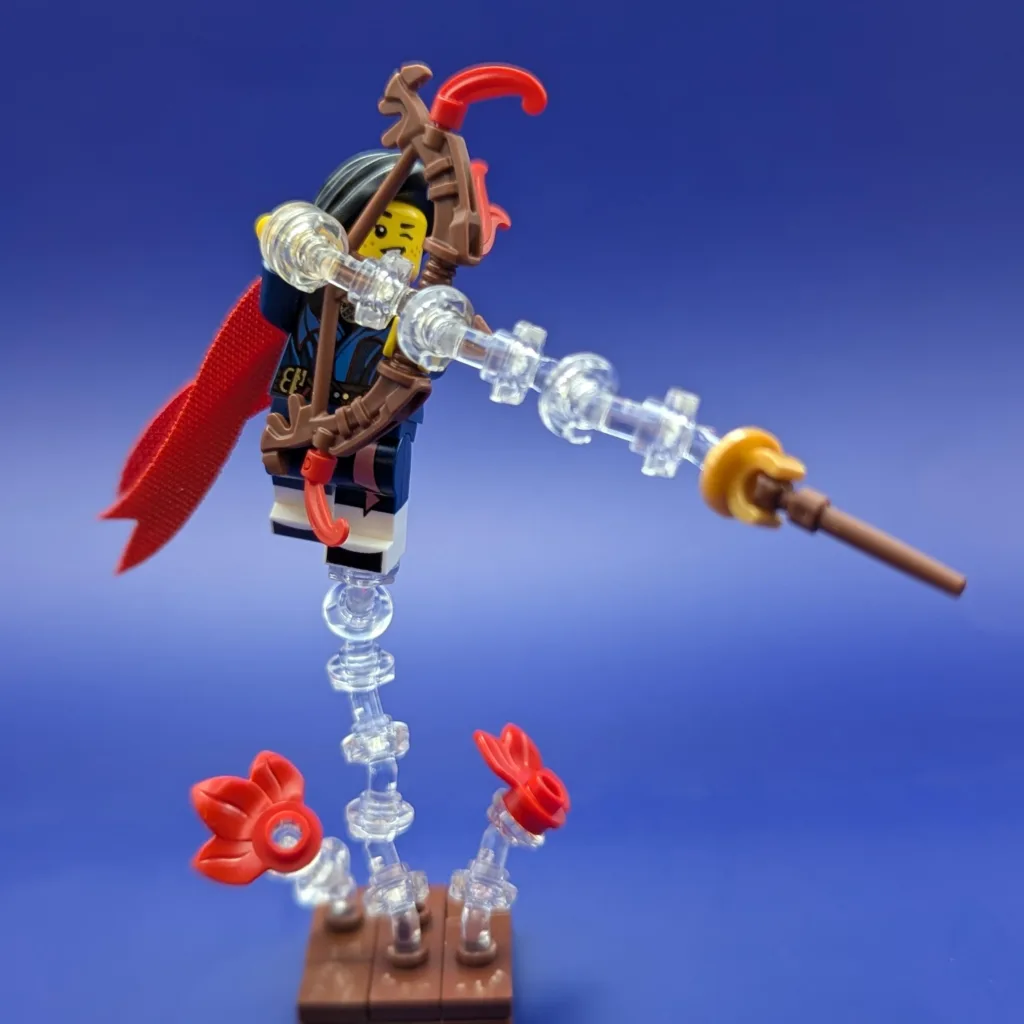
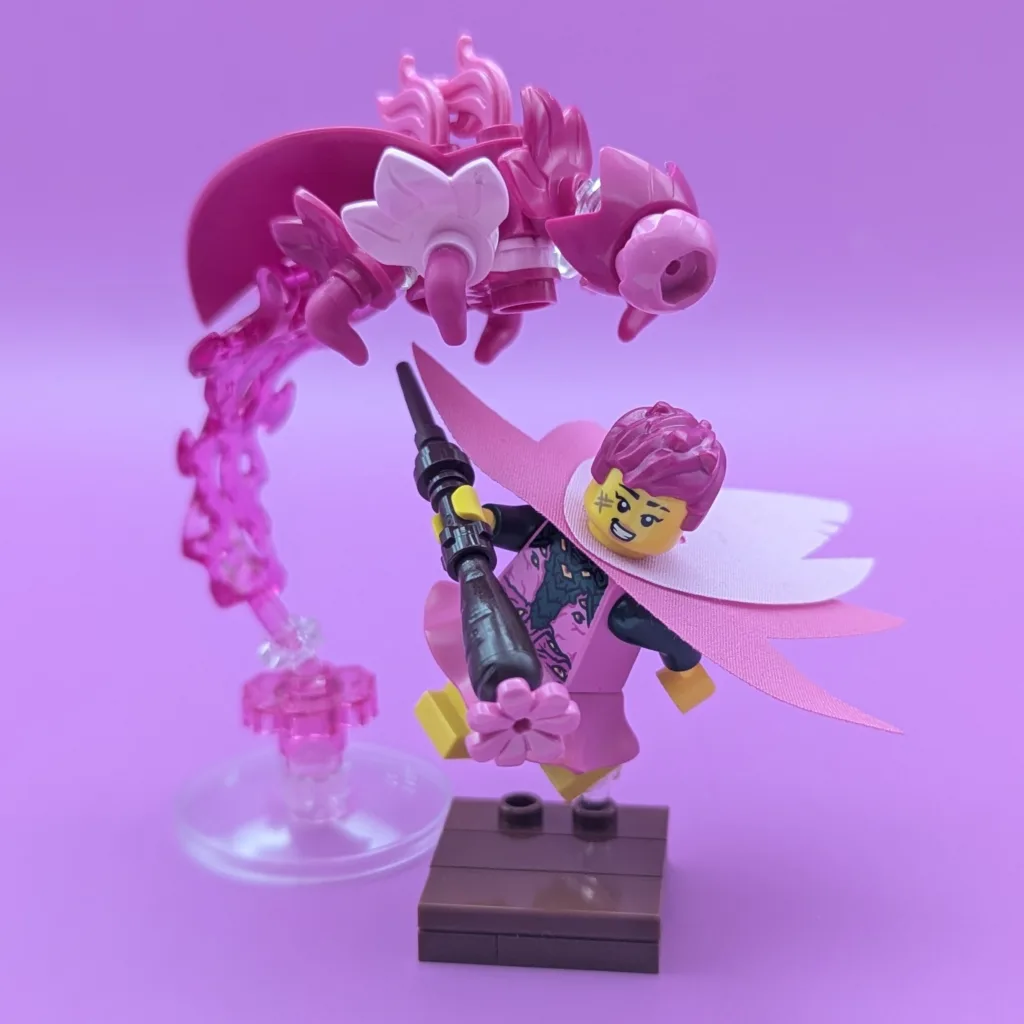
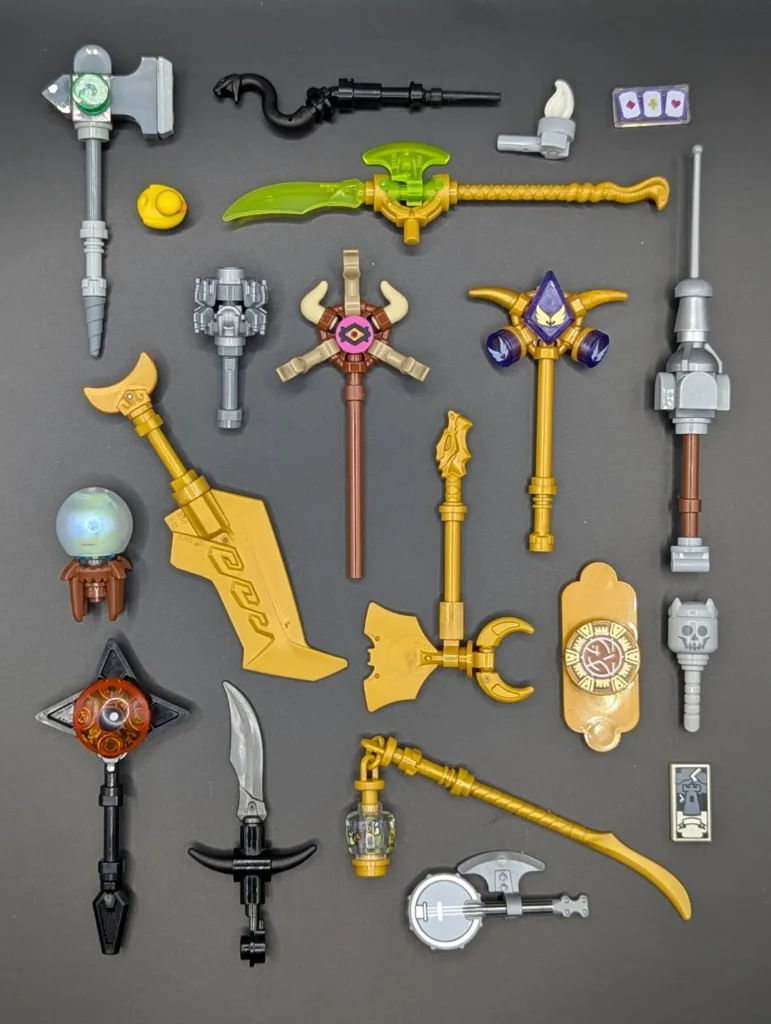
ASortaOkayBuilder (@asortaokaybuilder) is one of my favorite custom minifig creators right now. Their character builds are very clever: the color coordination is excellent, the posing is dynamic, and they’re particularly good at custom weapon construction and energy effects. He’s a mainstay on r/legodnd.



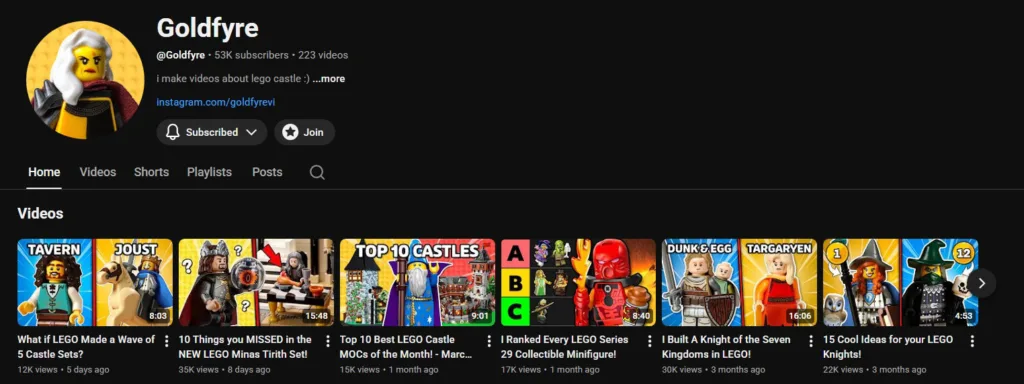
Goldfyre is one of the bigger authorities in the medieval LEGO customization space on YouTube. Their videos are great for understanding how experienced builders think through part selection, faction consistency, and character readability. He also shows up on r/legocastles.
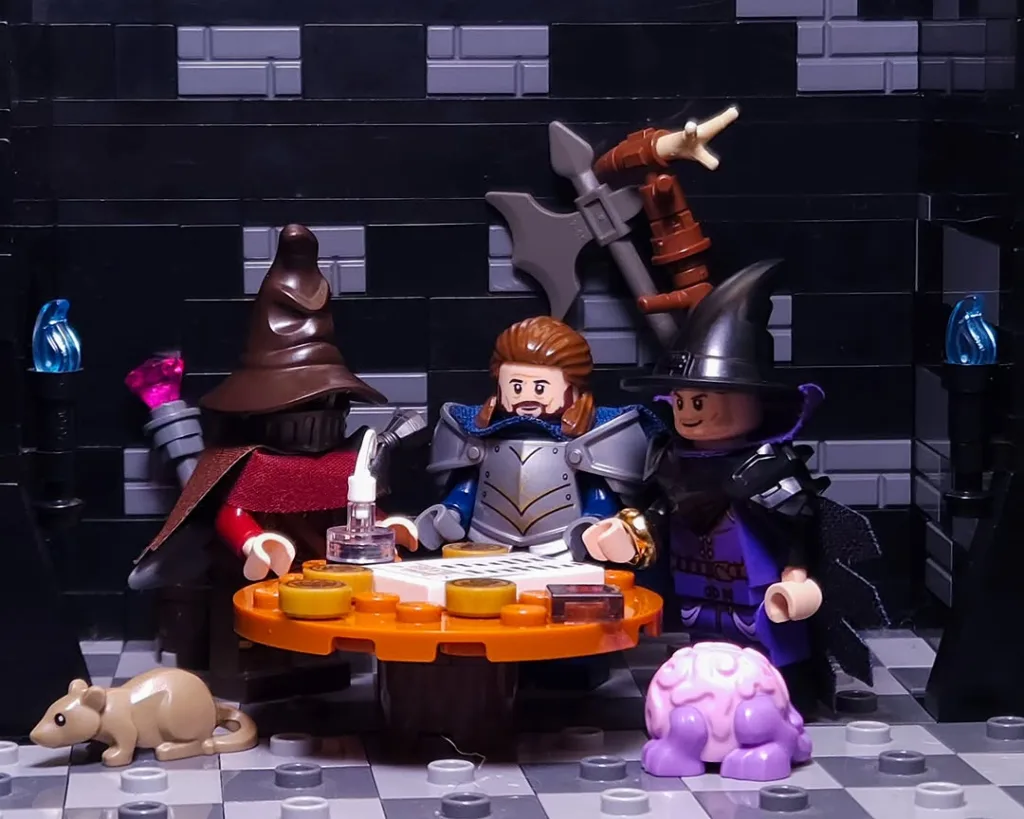
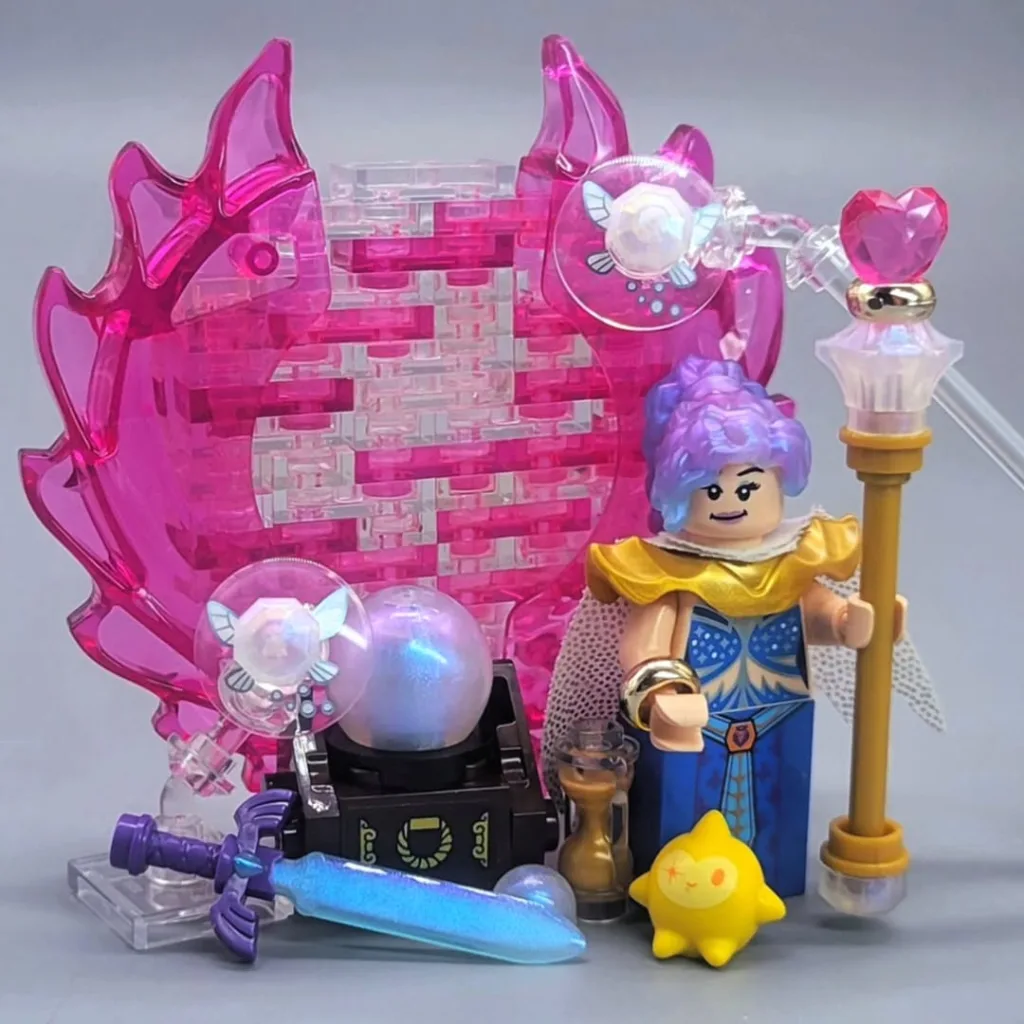
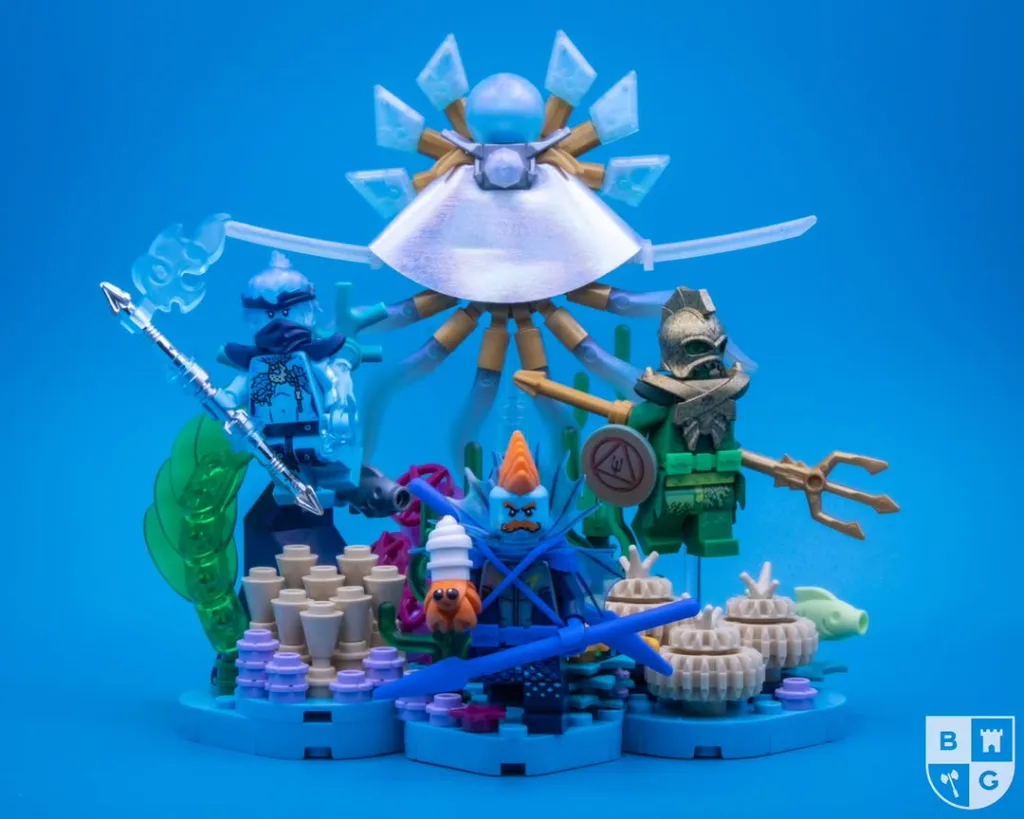
Bricks & Fables (@bricksandfables) is a newer fantasy-focused corner of Instagram that runs monthly challenges. They describe themselves as a community that uses LEGO for Dungeons & Dragons. You’ll find lots of atmospheric medieval storytelling, custom characters, and collaborative worldbuilding energy. The community aspect is a big part of the appeal.
@umbasa_lug leans more heavily into dark fantasy aesthetics and detailed character presentation. If you like medieval builds that feel a little grimier and more lived-in, they’re worth following.
The Brothers Brick regularly features excellent custom minifigures and fantasy creations alongside larger builds. Their Minifig Monday posts are especially useful because they often highlight builders you otherwise might never discover through the algorithm.
One thing I appreciate about all these creators is that they put a lot of thought not just into the minifigure build, but the lore behind them. That’s still something I want to incorporate into my own work. As a photographer, I focus mostly on narrative visuals but don’t tend to write much about the character.
Putting It Together
My general approach for building an army or adventuring party looks something like this:
- Establish a palette first. Usually one dominant color and one or two accents.
- Source base parts from Pick a Brick, then supplement with BrickLink for rare or licensed parts.
- Up the drama and give at least one minifig in the group a cape.
- Stow weapons fantasy-style with sheaths and scabbards.
- Use custom pad-printed parts sparingly for hero characters or focal figures.
The goal is a cast of characters that feels visually cohesive while still giving each minifigure its own identity. At the end of the day, that’s really the whole appeal of medieval minifigure building.
1 thought on “How to Make Medieval Fantasy LEGO Minifigures”
Comments are closed.